18 Jul How Cosmetics Companies Are Building Communities, Not Just Campaigns
For years, brand marketing has centered around one familiar formula: partner with a celebrity, work with a handful of creators, launch a campaign, and measure impressions.
That playbook is now changing, and beauty brands are one industry leading the charge.
Today’s leading beauty brands aren’t simply investing in influencers; they’re building communities and ecosystems. By using not just athletes but creators, professional leagues, retail experiences, community initiatives, and social media, activations now come together to create authentic moments that audiences actually want to engage with.
Women’s sports have become one of the clearest examples of this evolution. As fan engagement reaches record highs and athletes continue to build influential personal brands, beauty companies are finding new ways to connect with consumers through partnerships that feel less like advertising and more like shared community.
From e.l.f. Cosmetics becoming the National Women’s Soccer League’s first official makeup and skin care partner, Glossier’s investment in the WNBA, and Sephora’s growing presence across women’s basketball, the industry’s newest sponsorships share one common trait: they’re designed to create conversations amongst fans, not just visibility.
The question is no longer whether beauty brands should invest in sports sponsorships. It’s how they should activate those partnerships and, more importantly, how they should measure whether they’re actually driving value.
Why Women's Sports Has Become Beauty's Fastest-Growing Marketing Opportunity
The overlap between women’s sports audiences and beauty consumers is becoming increasingly difficult to ignore.
Fans of women’s sports are highly engaged across social media, invested in athlete personalities, and eager to support brands that authentically contribute to the growth of their favorite teams and leagues. That combination creates an environment where sponsorships can become part of culture rather than interruptions to it.
Beauty brands have taken notice. Recent partnerships illustrate just how quickly the category is expanding:
- e.l.f. Cosmetics became the NWSL’s first official beauty partner, activating around league-wide storytelling and fan engagement.
- Glossier partnered with the WNBA while also investing in community programming that extends beyond game day.
- Sephora has expanded its footprint across the WNBA ecosystem and Unrivaled, connecting retail experiences with professional women’s basketball.
- ILIA Beauty partnered with Paris Saint-Germain Féminine, leading with messaging focused on empowering women to compete at their best without having to compromise authenticity.
While these partnerships vary in execution, they reflect the same strategic shift: beauty brands are investing where culture is being built, not simply where audiences already exist.
The New Sponsorship Formula: Community Over Celebrity
Traditional influencer marketing often focuses on reach. Modern sponsorship marketing focuses on relationships.
Beauty brands are increasingly prioritizing personality-first communities over simply attaching themselves to the biggest household names. Rather than asking, “Who has the largest audience?” marketers are asking, “Whose community genuinely trusts them?”
That’s why athletes have become such valuable brand partners. Today’s professional athletes aren’t just competitors. They’re creators. Fans follow them for behind-the-scenes content, gameday routines, skincare regimens, travel, fashion, wellness, and everyday moments that feel authentic. Those conversations naturally align with beauty brands in ways that traditional sponsorships rarely could.
The same principle explains why creator-led brands like Alex Cooper’s Unwell have built such passionate audiences. Consumers increasingly gravitate toward personalities that feel authentic and communities they want to belong to, making them strong audiences for brands to want to tap into.
Brand sponsorships allow beauty brands to tap into those same dynamics. When partnerships are rooted in shared values rather than transactional endorsements, audiences notice.
The Best Activations Don't Feel Like Sponsorships
Putting a logo on a jersey isn’t enough anymore. The partnerships generating the most attention are the ones that create experiences audiences actively want to participate in.
Instead of relying solely on branding, leading beauty companies are building integrated campaigns that span digital content, live events, retail experiences, athlete storytelling, and fan engagement.
Examples include:
- “Get Ready With Me” or gameday tunnel fit content featuring athletes before competition.
- Locker room and behind-the-scenes social content.
- Community events supporting girls’ sports.
- Product sampling during marquee sporting events.
- Creator collaborations around major league moments.
- Athlete-led skincare and wellness storytelling.
- Interactive fan experiences that bridge physical and digital engagement.
“The athleisure of beauty.”
— Ellyn Briggs (@EllynBriggs) June 24, 2026
That’s how @IndianaFever guard Lexie Hull describes what she's trying to create with her recently launched brand, FORTA Cosmetics.
For @FOS, I looked at a growing wave of female athlete-founded beauty companies betting that the rise of women’s sports…
These activations succeed because they provide value beyond awareness. Rather than interrupting the fan experience, they become part of it.
Sponsorship ROI Doesn't End at the Arena
One of the biggest misconceptions surrounding sponsorship measurement is that value comes primarily from on-site exposure. In reality, today’s highest-performing partnerships generate momentum across multiple channels simultaneously.
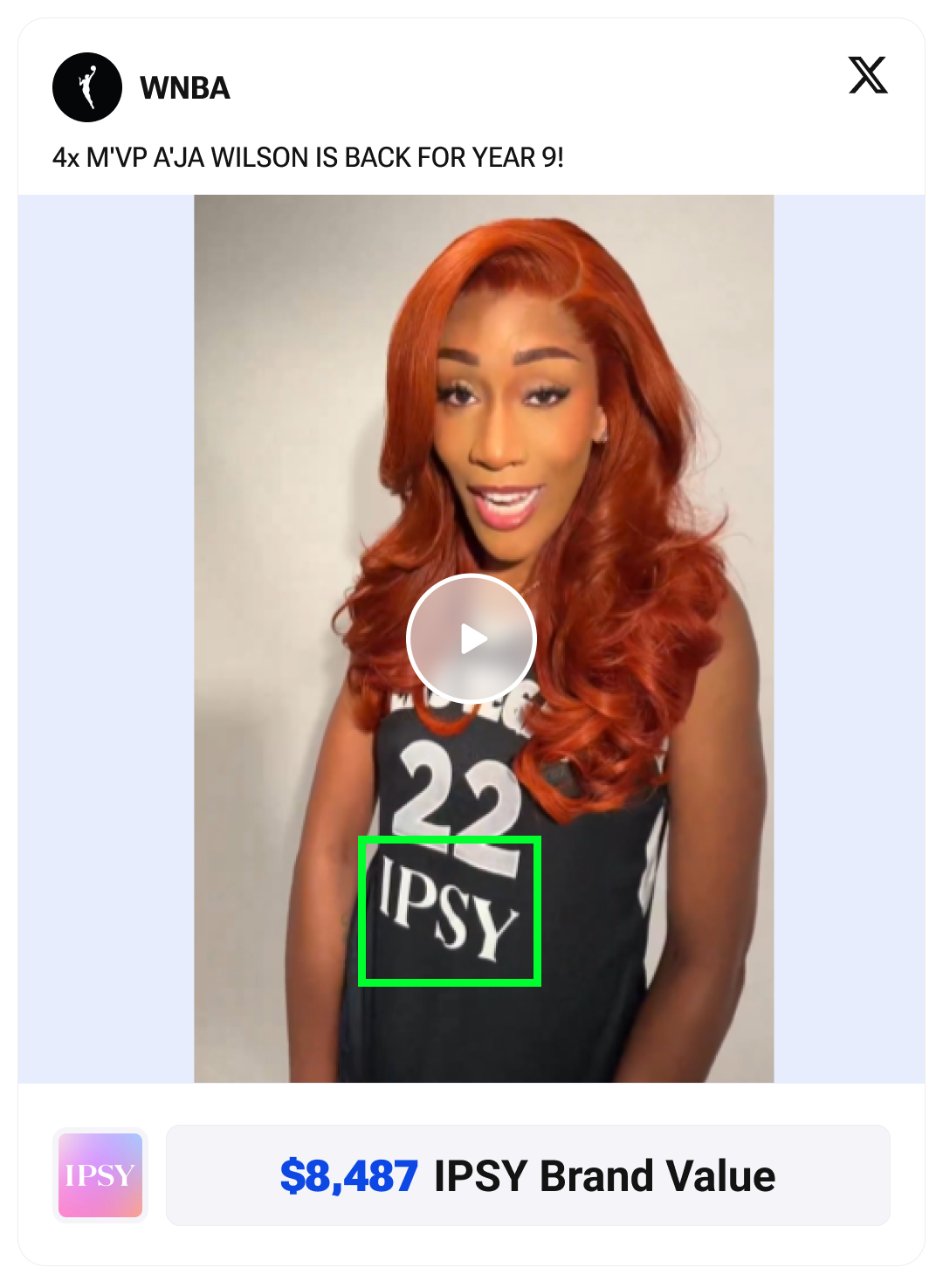
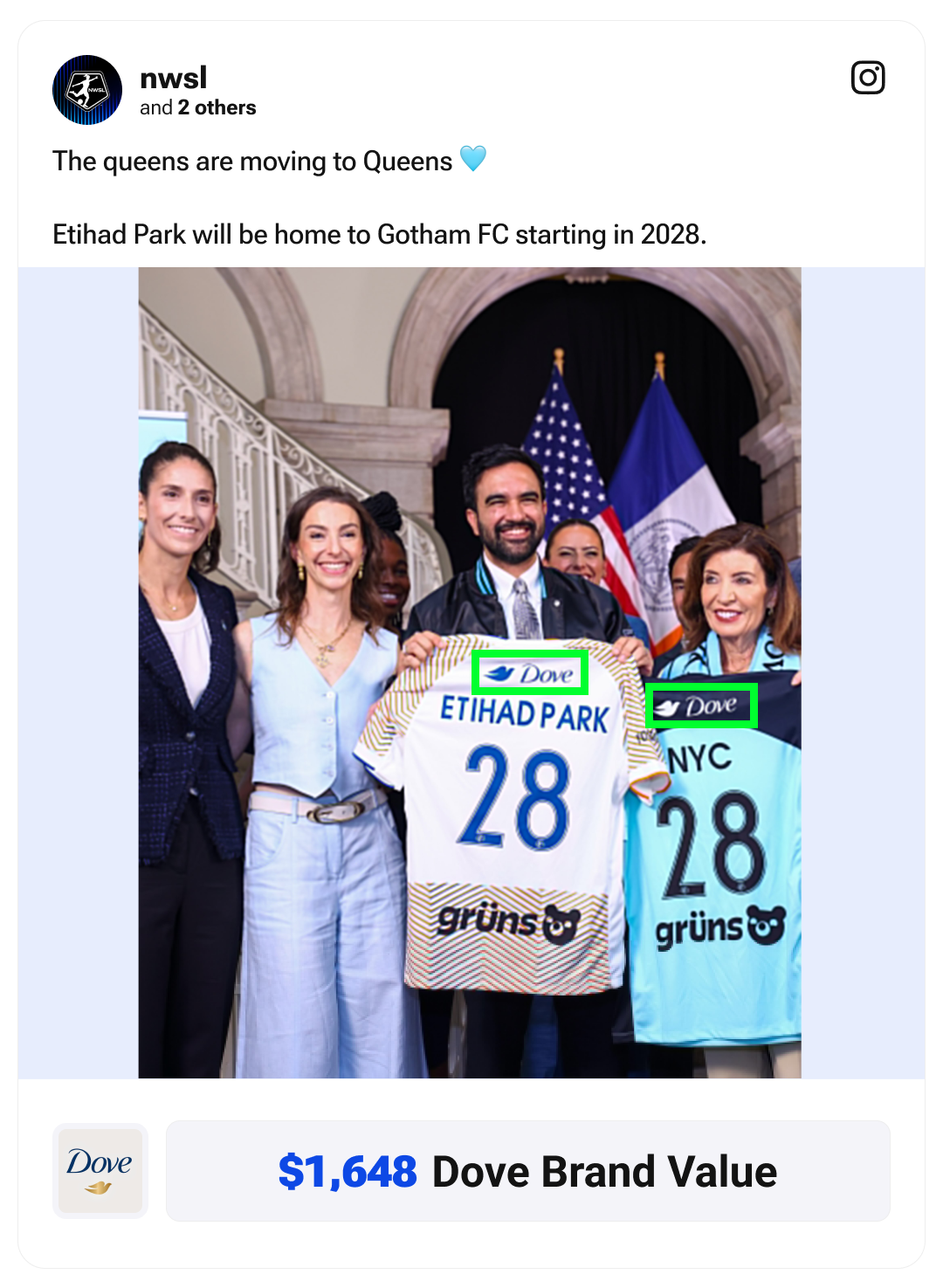
A courtside LED placement may create broadcast exposure. A player wearing branded apparel during media interviews generates earned media. A locker room TikTok may outperform the original sponsorship announcement. An athlete’s Instagram story may reach an entirely different audience than the league’s official channels. Retail displays can amplify campaign messaging while encouraging user-generated content that extends the partnership even further.
The true value isn’t found in any one of these moments individually. It’s understanding how they work together.
Beauty marketers increasingly need a holistic view that combines social media performance, broadcast exposure, creator amplification, earned media, audience engagement, brand exposure value, and campaign-level ROI
Looking at just one metric tells only part of the story.
Building an Ecosystem Instead of a Campaign
The most successful beauty partnerships aren’t isolated activations. They’re connected ecosystems. A sponsorship announcement leads to athlete content. Athlete content fuels social engagement. Social engagement drives retail conversations. Retail experiences generate user-created content. You get the point. Rather than measuring isolated moments, marketers should evaluate how every activation contributes to a larger narrative.
This ecosystem approach also creates long-term equity. Consumers don’t remember every advertisement they see. They remember the brands that consistently show up in the communities they care about.
The Beauty Brand Sponsorship Playbook
Now that we’ve covered the “what”, let’s dive into how it can be applied. As the category continues investing in sports, several best practices are becoming clear:
- Choose communities, not just creators. Prioritize athletes, teams, and leagues whose audiences align with your brand values rather than simply chasing follower counts.
- Activate across multiple touchpoints. The strongest partnerships combine social content, live experiences, creators, retail, earned media, and athlete storytelling into one connected campaign.
- Think beyond awareness. Successful sponsorships should deepen relationships with existing customers while authentically introducing the brand to new audiences.
- Measure the complete customer journey. Social engagement, broadcast visibility, creator performance, and Brand Exposure Value should all contribute to understanding campaign success.
- Invest for the long term. Community trust compounds over time. Brands that consistently support athletes, leagues, and fans build stronger equity than brands that appear for a single campaign.
Measuring What Actually Matters
Activating is one thing. But how can you measure success? Especially with beauty sponsorships entering a new era, this can be confusing for brand leaders.
Success is no longer defined by how many logos appear on screen or how many impressions a campaign generates. The brands creating the greatest impact are those building communities through authentic partnerships, creator-first storytelling, and integrated activations that connect sports, culture, retail, and social media into one cohesive strategy.
For marketers, that also raises a new challenge. How do you measure all of it? Understanding sponsorship ROI now requires seeing the full picture, from broadcast exposure and social engagement to creator content, earned media, and brand exposure value.
As beauty brands continue to invest in sports and community-driven marketing, the organizations that can connect those signals into a single measurable story will be best positioned to understand what truly drives impact, and where to invest next.